Pharmaceutical Conveyor Systems: Automation Guide
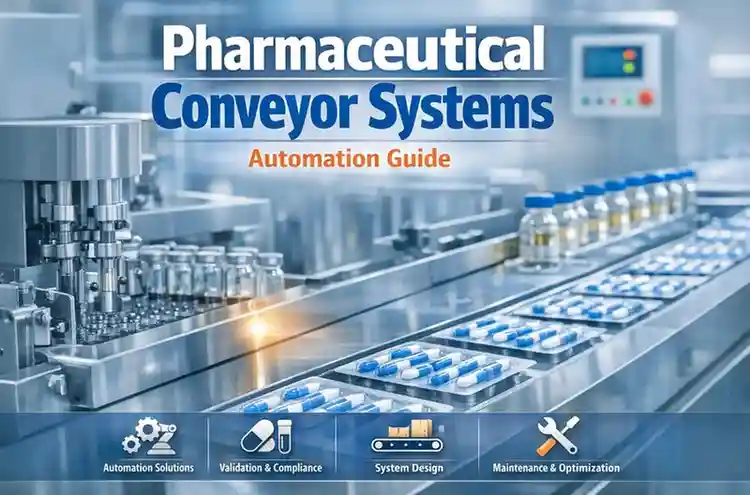
Pharmaceutical Conveyor Systems: Automation Guide
The pharmaceutical industry is rapidly evolving with a strong focus on automation, compliance, and efficiency. One of the most critical components driving this transformation is pharmaceutical conveyor systems. These systems enable seamless material handling, reduce human intervention, and ensure compliance with stringent regulatory standards such as GMP.
In this comprehensive guide, we explore how pharma automation equipment like conveyor systems enhances production efficiency, reduces contamination risks, and delivers measurable ROI for pharmaceutical manufacturers worldwide.
What Are Pharmaceutical Conveyor Systems?
Pharmaceutical conveyor systems are specialized conveyor belt systems designed for handling materials, products, and packaging within pharmaceutical manufacturing facilities. These systems are engineered to meet strict hygiene, safety, and compliance requirements.
Key Features
- GMP-compliant design
- Stainless steel construction
- Easy cleaning and sterilization
- Dust-free and contamination-free operation
- Integration with automation systems
Importance of Conveyor Systems in Pharma Automation
Automation is essential in modern pharmaceutical production. Conveyor systems play a crucial role in enabling continuous production flow, reducing manual errors, and maintaining product integrity.
Challenges Without Automation
- High labor costs
- Increased contamination risk
- Inconsistent production flow
- Lower productivity
Types of Pharmaceutical Conveyor Systems
1. Belt Conveyors
Widely used for transporting bulk materials and packaged products across production lines.
2. Roller Conveyors
Ideal for handling cartons, bottles, and packaged goods.
3. Modular Conveyors
Flexible systems that can be customized for various applications.
4. Chain Conveyors
Used for heavy-duty applications and large containers.
5. Overhead Conveyors
Optimize space utilization in manufacturing facilities.
GMP Compliance in Conveyor Systems
GMP compliant machines are mandatory in pharmaceutical manufacturing to ensure product safety and quality.
Key Compliance Requirements
- Use of non-contaminating materials
- Smooth and cleanable surfaces
- Proper sealing and protection
- Validation and documentation
Applications in Pharmaceutical Industry
Tablet Manufacturing
Conveyors transport raw materials and finished tablets efficiently.
Liquid Filling Lines
Used in ampoule and vial filling processes for smooth material flow.
Packaging and Labeling
Automates packaging operations, reducing manual handling.
Cleanroom Operations
Specialized conveyors maintain sterile conditions in cleanroom environments.
Cost of Pharmaceutical Conveyor Systems
The cost of conveyor systems depends on design, material, automation level, and customization requirements.
| Conveyor Type | Price Range (USD) | Application |
|---|---|---|
| Belt Conveyor | $5,000 - $25,000 | General material handling |
| Roller Conveyor | $10,000 - $40,000 | Packaging lines |
| Modular Conveyor | $20,000 - $80,000 | Flexible production systems |
| Automated Conveyor System | $50,000 - $200,000+ | High-speed production |
Benefits of Pharmaceutical Conveyor Systems
1. Improved Production Efficiency
Automated conveyors enable continuous production flow, increasing output.
2. Reduced Contamination Risk
Closed systems minimize exposure to contaminants.
3. Compliance with Regulations
Ensures adherence to GMP and other global standards.
4. Labor Cost Reduction
Automation reduces dependency on manual labor.
5. Enhanced Product Quality
Consistent handling improves product integrity.
Automation Integration
Modern conveyor systems integrate with advanced automation technologies:
- PLC-based control systems
- IoT-enabled monitoring
- AI-driven analytics
- Robotic handling systems
Comparison: Manual vs Automated Conveyor Systems
| Parameter | Manual Handling | Automated Conveyor |
|---|---|---|
| Efficiency | Low | High |
| Accuracy | Moderate | High |
| Contamination Risk | High | Low |
| Operational Cost | High | Optimized |
ROI of Conveyor Automation
Investing in production automation delivers strong ROI through increased efficiency and reduced operational costs.
| Metric | Before Automation | After Automation |
|---|---|---|
| Production Output | 100 Units | 160 Units |
| Labor Cost | High | Reduced |
| Defect Rate | 10% | 2% |
Best Practices for Implementation
- Design systems based on production flow
- Ensure compliance with GMP standards
- Use high-quality materials
- Implement regular maintenance
- Train staff on system operation
Future Trends in Pharmaceutical Automation
- Fully automated production lines
- AI-driven quality control
- Smart conveyor systems with real-time monitoring
- Integration with Industry 4.0 technologies
How to Choose the Right Conveyor System
- Evaluate production requirements
- Consider compliance needs
- Analyze total cost of ownership
- Choose scalable solutions
Expert Tips
- Invest in automation for long-term ROI
- Focus on hygiene and safety
- Partner with reliable suppliers
Conclusion
Pharmaceutical conveyor systems are essential for modern manufacturing, enabling automation, compliance, and efficiency. By investing in advanced pharma automation equipment, companies can reduce costs, improve product quality, and achieve sustainable growth.
As the pharmaceutical industry continues to evolve, conveyor systems will play a critical role in driving innovation and competitiveness in global markets.
Ready to automate your pharmaceutical production? Implementing advanced conveyor systems is the key to achieving efficiency, compliance, and long-term success.
Comments (3)