Top Effluent Treatment Reactor Systems for Chemical & Pharma Plants
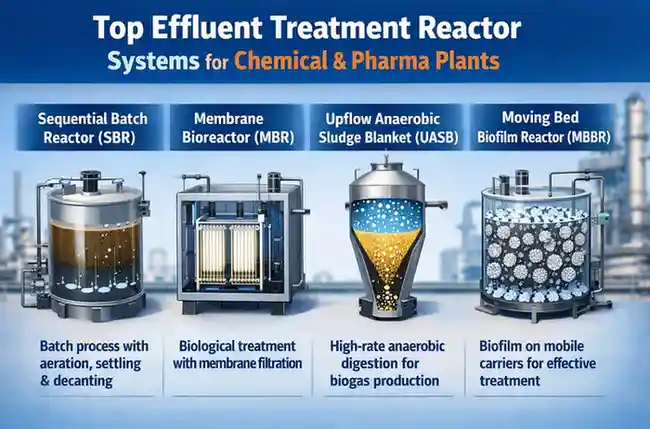
Top Effluent Treatment Reactor Systems for Chemical & Pharma Plants
The chemical and pharmaceutical industries are among the largest contributors to industrial wastewater generation. Due to the presence of complex chemicals, toxic compounds, and high organic loads, these sectors require advanced effluent treatment reactor systems to ensure regulatory compliance and environmental sustainability.
This in-depth guide explores the top effluent treatment systems used in chemical and pharma plants, including advanced filtration technologies, cost insights, and strategies to optimize wastewater management for maximum ROI.
Why Effluent Treatment is Critical for Chemical & Pharma Industries
Wastewater from chemical and pharmaceutical plants contains hazardous substances that can severely impact the environment if not treated properly. Governments worldwide enforce strict discharge standards, making chemical wastewater treatment essential.
- Prevents environmental pollution
- Ensures regulatory compliance
- Protects public health
- Enhances corporate sustainability goals
Key Challenges in Treating Chemical & Pharma Effluents
- High chemical oxygen demand (COD)
- Toxic and non-biodegradable compounds
- Variable wastewater composition
- Strict discharge regulations
Top Effluent Treatment Reactor Systems
1. Membrane Bioreactor (MBR) Systems
MBR systems combine biological treatment with membrane filtration, offering superior water quality suitable for reuse.
- High removal efficiency
- Compact design
- Ideal for pharma industries
2. Moving Bed Biofilm Reactor (MBBR)
MBBR systems use biofilm carriers to enhance microbial activity, improving treatment efficiency.
3. Sequential Batch Reactor (SBR)
SBR systems operate in cycles, making them flexible and efficient for varying wastewater loads.
4. Reverse Osmosis (RO) Systems
RO systems are essential for advanced filtration, removing dissolved solids and contaminants.
5. Zero Liquid Discharge (ZLD) Systems
ZLD systems ensure complete water recovery, making them ideal for industries with strict environmental regulations.
Advanced Industrial Filtration Systems
Modern industrial filtration systems play a crucial role in enhancing effluent treatment performance:
- Ultrafiltration (UF)
- Nanofiltration (NF)
- Activated carbon filtration
- Multi-media filtration
Effluent Plant Cost Analysis
The effluent plant cost depends on multiple factors such as technology, capacity, and automation level.
| System Type | Capacity | Price Range (USD) | Best Use Case |
|---|---|---|---|
| Basic ETP | Small Scale | $20,000 - $100,000 | Small chemical units |
| MBBR / SBR Systems | Medium Scale | $100,000 - $500,000 | Mid-size plants |
| MBR Systems | Large Scale | $500,000 - $1.5M | Pharma & export units |
| ZLD Systems | Enterprise | $1M - $5M+ | Strict compliance regions |
Water Recycling Systems for Cost Savings
Implementing water recycling systems allows industries to reuse treated water, significantly reducing operational costs.
- Reduces freshwater consumption
- Lowers water procurement costs
- Supports sustainability initiatives
| Parameter | Without Recycling | With Recycling |
|---|---|---|
| Water Usage | 100% | Reduced by 50-80% |
| Operational Cost | High | Optimized |
| Environmental Impact | High | Minimal |
Compliance & Regulatory Standards
Chemical and pharma industries must comply with strict environmental regulations:
- US EPA standards
- EU environmental directives
- Local pollution control board norms
ROI of Advanced Effluent Treatment Systems
Investing in advanced ETP systems pharma industry delivers measurable ROI:
- Reduced environmental penalties
- Lower water costs
- Improved operational efficiency
- Enhanced brand reputation
| Metric | Before ETP | After Advanced ETP |
|---|---|---|
| Compliance Risk | High | Near Zero |
| Water Cost | High | Reduced by 40-70% |
| Profitability | Moderate | High |
How to Choose the Right ETP System
- Analyze wastewater composition
- Determine treatment capacity
- Evaluate technology options
- Consider long-term scalability
Expert Tips:
- Choose modular and scalable systems
- Invest in automation and IoT monitoring
- Partner with experienced suppliers
Future Trends in Industrial Wastewater Treatment
- AI-driven treatment optimization
- Smart sensors for real-time monitoring
- Decentralized treatment plants
- Green and energy-efficient technologies
Conclusion
Effluent treatment reactor systems are essential for chemical and pharmaceutical industries aiming to meet strict environmental standards while optimizing operational efficiency. By investing in advanced industrial filtration systems and water recycling technologies, businesses can achieve compliance, reduce costs, and enhance sustainability.
As regulations continue to tighten globally, adopting modern effluent treatment solutions is not just a necessity—it is a strategic advantage for long-term success.
Looking to upgrade your wastewater management system? Choose the right effluent treatment reactor system today and unlock higher efficiency, compliance, and profitability.
Comments (3)