Reduce Energy Loss Using Harmonic Filter Systems
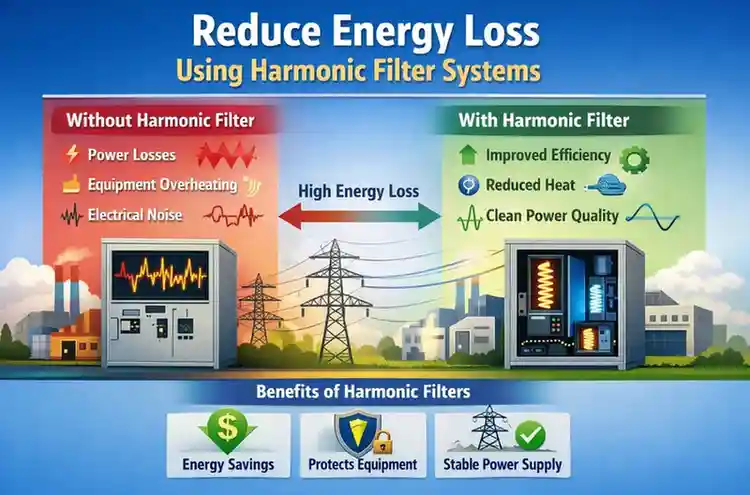
Reduce Energy Loss Using Harmonic Filter Systems
Energy efficiency has become a top priority for industries worldwide, especially as electricity costs continue to rise in Tier 1 markets such as the United States, United Kingdom, Germany, and Australia. One of the most overlooked causes of energy inefficiency is harmonic distortion in electrical systems. Implementing harmonic filter systems is a proven strategy to reduce energy loss, improve equipment performance, and achieve long-term cost savings.
This comprehensive guide explores how industrial energy saving systems like harmonic filters help optimize power usage, reduce electricity bills, and increase operational efficiency.
Understanding Energy Loss in Industrial Systems
Energy loss in industrial facilities occurs due to multiple factors, including poor power quality, inefficient equipment, and harmonic distortion. Harmonics disrupt the normal flow of electricity, leading to:
- Increased heat generation
- Overloaded transformers and cables
- Reduced equipment lifespan
- Higher electricity consumption
What Causes Harmonic Distortion?
Harmonics are generated by non-linear electrical loads commonly found in modern factories:
- Variable Frequency Drives (VFDs)
- Industrial automation systems
- Welding machines and arc furnaces
- UPS and data center equipment
These loads draw current in irregular patterns, creating waveform distortions that result in energy inefficiencies.
What Are Harmonic Filter Systems?
Harmonic filter systems are advanced power optimization tools designed to eliminate or reduce harmonic distortion. By restoring waveform quality, they improve electrical efficiency and reduce energy waste.
How Harmonic Filters Reduce Energy Loss
1. Minimizing Heat Loss
Harmonics cause excessive heat in electrical components. Filters reduce these distortions, lowering thermal losses and improving system efficiency.
2. Improving Power Factor
Better power factor reduces reactive power consumption, leading to lower electricity bills and improved system performance.
3. Optimizing Load Distribution
Filters ensure balanced electrical loads, preventing overloading and reducing energy waste.
4. Enhancing Equipment Efficiency
Clean power supply allows machines to operate at optimal efficiency levels.
Types of Harmonic Filters for Energy Saving
Passive Harmonic Filters
- Cost-effective solution
- Ideal for stable loads
- Reduces specific harmonic frequencies
Active Harmonic Filters
- Real-time harmonic correction
- Suitable for dynamic environments
- High efficiency and performance
Hybrid Filters
- Combination of passive and active systems
- Optimized cost and efficiency
Energy Loss Reduction Metrics
| Parameter | Without Filters | With Filters |
|---|---|---|
| Energy Loss | 12% - 18% | 3% - 6% |
| Power Factor | 0.70 - 0.85 | 0.95 - 0.99 |
| Equipment Efficiency | Low | High |
Cost of Harmonic Filter Systems (2026)
The harmonic filter system price depends on system size, voltage level, and technology used.
| System Type | Price Range (USD) | Best Use Case |
|---|---|---|
| Passive Filters | $5,000 - $50,000 | Small industries |
| Active Filters | $20,000 - $200,000+ | Large manufacturing plants |
| Hybrid Systems | $50,000 - $300,000+ | Heavy industrial applications |
Electricity Cost Savings Analysis
Implementing harmonic filters leads to measurable savings in electricity costs.
| Metric | Before Implementation | After Implementation |
|---|---|---|
| Monthly Energy Bill | $100,000 | $82,000 |
| Energy Efficiency | 75% | 92% |
| Maintenance Cost | High | Reduced |
Industrial Applications
Manufacturing Plants
Improves efficiency of automated machinery and reduces downtime.
Data Centers
Ensures stable power supply for critical IT infrastructure.
Oil & Gas Industry
Supports high-load equipment with improved energy efficiency.
Commercial Buildings
Reduces electricity consumption and operational costs.
Benefits of Harmonic Filters
- Significant reduction in energy losses
- Lower electricity bills
- Improved power quality
- Extended equipment lifespan
- Reduced maintenance costs
ROI of Harmonic Filter Systems
Investing in industrial energy saving systems provides strong ROI through cost savings and efficiency improvements.
| Metric | Before | After |
|---|---|---|
| Energy Loss | 15% | 5% |
| Downtime | High | Low |
| ROI Period | - | 1-3 Years |
Integration with Smart Energy Systems
Modern electricity cost saving solutions integrate harmonic filters with:
- IoT-based monitoring
- AI-driven analytics
- Cloud-based energy management
- Predictive maintenance tools
Challenges in Implementation
- Initial investment cost
- System design complexity
- Space requirements
- Need for expert installation
Future Trends in Energy Optimization
- AI-powered harmonic filtering
- Smart grid integration
- Advanced active filtering systems
- Energy-efficient industrial automation
How to Choose the Right Harmonic Filter
- Analyze load conditions
- Measure harmonic distortion levels
- Evaluate budget and ROI
- Consider scalability and future expansion
Expert Tips
- Choose active filters for dynamic loads
- Use passive filters for cost-effective solutions
- Combine systems for maximum efficiency
Conclusion
Harmonic filter systems are essential tools for reducing energy loss and improving electrical efficiency in modern industries. By investing in advanced power optimization tools, businesses can significantly lower electricity costs and enhance operational performance.
As energy costs continue to rise globally, adopting industrial energy saving systems is no longer optional—it is a strategic necessity for sustainable growth and profitability.
Ready to reduce your energy costs? Implementing harmonic filter systems is a smart investment that delivers long-term financial and operational benefits.
Comments (3)